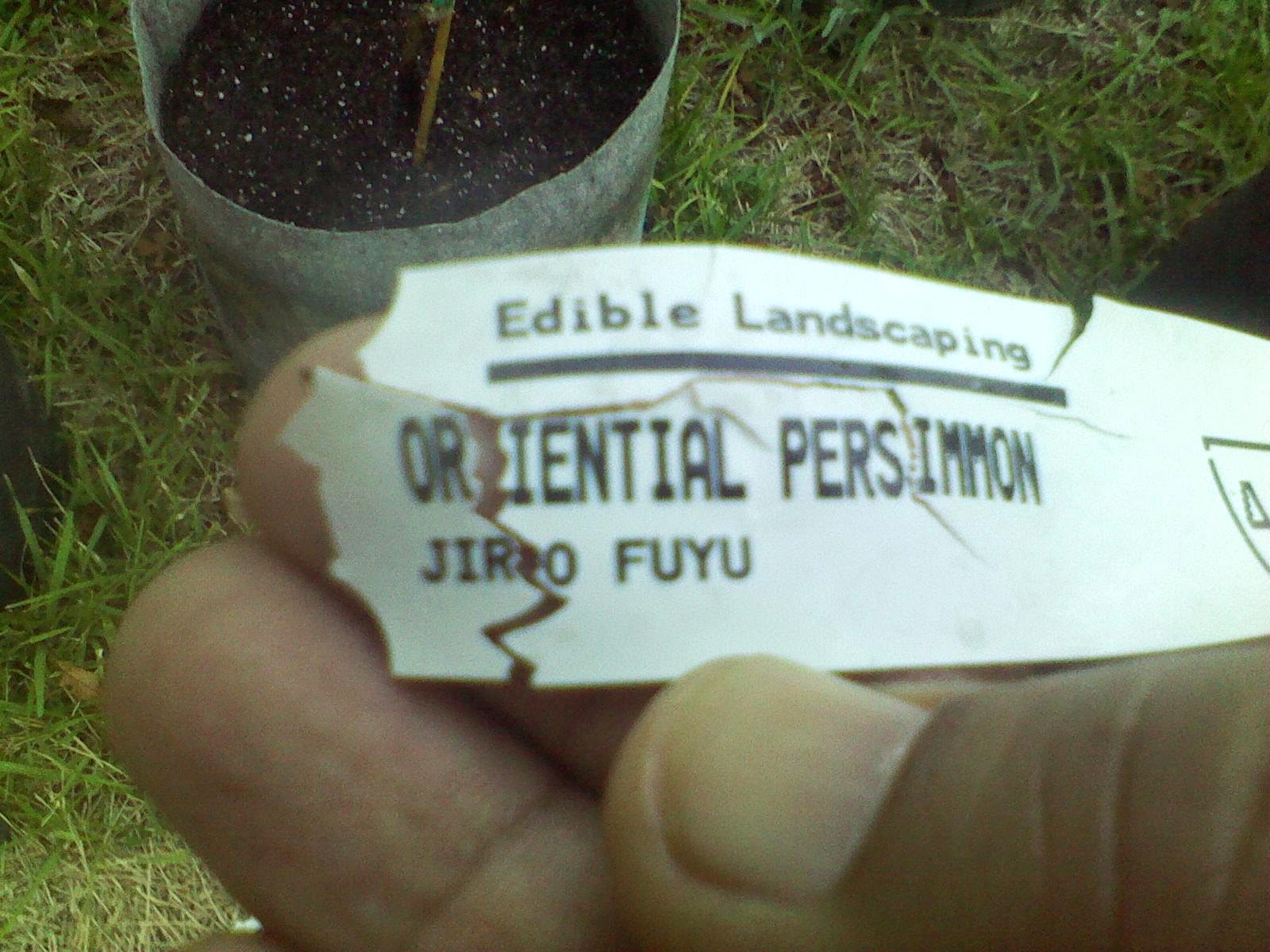
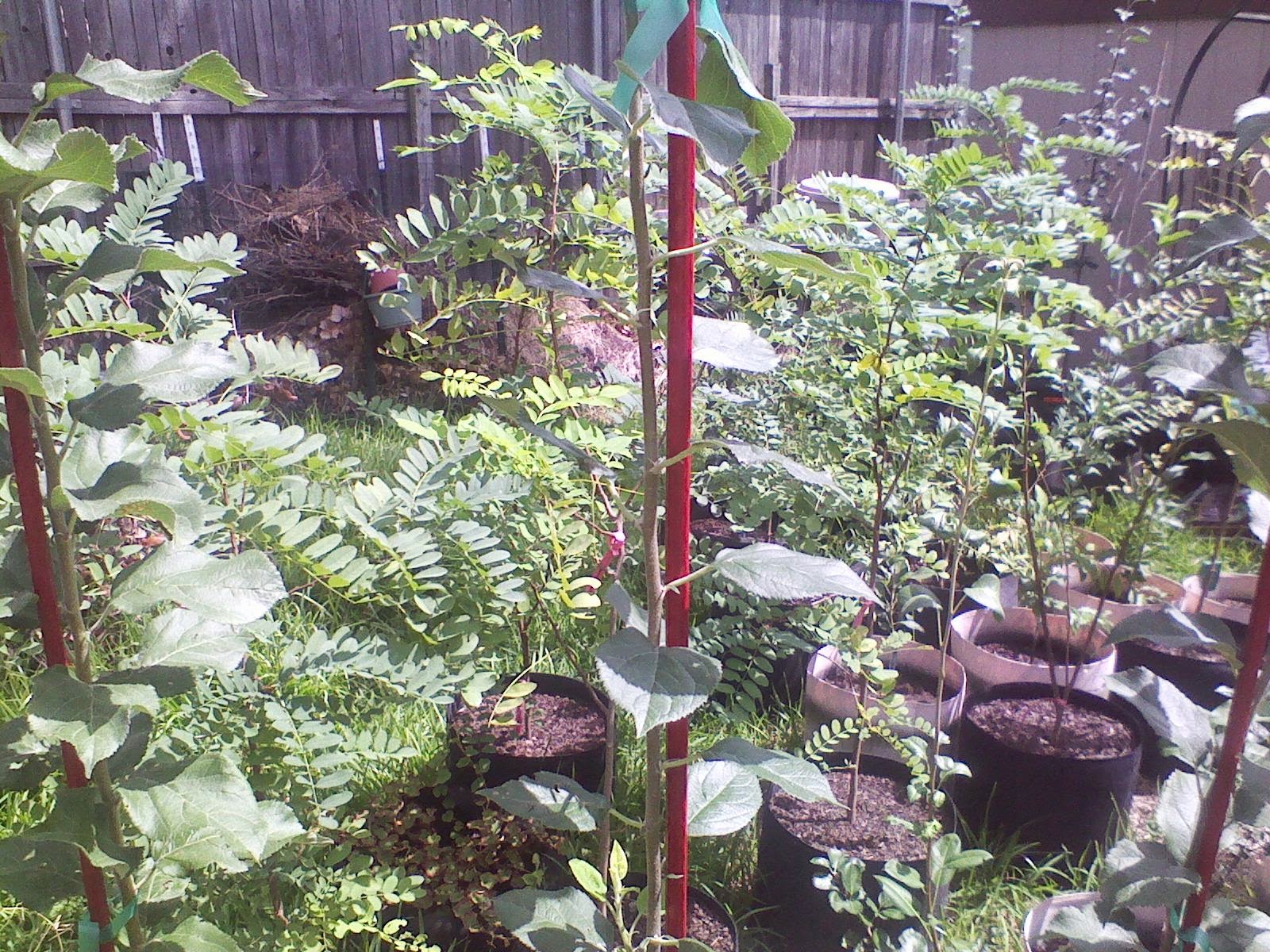
I purchased these 2 Fig plants in 2014. The freeze we had didn't kill them.
LSU Purple fig is a very reliable, prolific producer of early to late delicious figs. One of the best figs to come along for some time. Excellent for containers, producing early figs as soon as growth starts. Very acclimated to the fluctuating weather of the South, does great in Virginia Beach. Zones 7-9. Best to pick a few days after fruit turns black, wrinkles and elongates. Space 10' to 12' circle
Wednesday, April 22, 2015
#35 - Fig - Kadota #1
I purchased this one Fig plant in 2014.
In zone 7, Kadota is an open bush, ripening most of its figs on last years growth. The fruits are yellow, mediumto large size and delicious, ripening best with full sun and hot temperatures. Also known as Peter's Honey fig. Kadota is a popular fig because as a canned product it can be purchased in super markets in the US. Kadota is excellent fresh and very sweet. It sometimes ripens a few early figs that are extremely large. Space @ 10' circle
Friday, April 17, 2015
#34 - Blackberry - Black Magic
I purchased this Blackberry cultivar called Black Magic in 2015. Zones 5-9, Upright, self supporting, height to 4 feet, width to 4 feet and full sun.
#33 - Blueberry - Sweetheart
This is a Blueberry called Sweetheart, I purchased in 2014. It is supposed to set two crops a year. First crop in late Spring and second crop at Summer's end. We shall see.
Needs full sun in the north and partial shade in the south. Zones 4-8, Plant height 5 to 6 feet, plant width 3 to 4 feet.
Thursday, November 27, 2014
#32 - Guild #3
This is Guild #3, summer of 2014. Well, actually just the primary, Pomegranate Angel Red. The support plants will be added in the future. I'm trying to establish the fruit trees first, then the supporting plants.
It's also under a Tree Bag to protect it from grasshoppers.
#31 - Guild #1 Summer 2014
This is Guild #1, summer of 2014. During the spring, grasshoppers hatched and completely defoliated the tree and bushes. Then they started working on the bark. My solution was to buy a Tree Bag to protect the plants from the grasshoppers.
It does work. Grasshoppers haven't figured out how to chew through the net, or that the can. They can still get in because the beds I built are not the same height. The primary tree get a 2x12 size board, while the supporting plants get a 2x8 size board. But not that many get in. It's hard to drape the net over four plants. It's really meant for one tree. You can see in the picture above, that I can protect everything but the blackberry bush. But believe it or not, it survived.
The plants did survive and started to grow and leaf out again!
It does work. Grasshoppers haven't figured out how to chew through the net, or that the can. They can still get in because the beds I built are not the same height. The primary tree get a 2x12 size board, while the supporting plants get a 2x8 size board. But not that many get in. It's hard to drape the net over four plants. It's really meant for one tree. You can see in the picture above, that I can protect everything but the blackberry bush. But believe it or not, it survived.
The plants did survive and started to grow and leaf out again!
#30 - Asian Persimmon Cultivar - Jiro
Asian Persimmon Cultivar - Jiro. One of the first selections from Fuyu. Ripening about 3 weeks before Fuyu. Productive tree, larger than Maekawa Jiro. Hardy, usually to zone 6. Height and spread about 12' - 15'. Fruits above average in size. Fruits are ripe when hard with orange color. zone 6 - 10.
This is Jiro #1 I bought from Edible Landscaping, in 2013. They grow their trees in pots. It's November 2014 and all the leaves have fallen off. The picture above shows the tree from summer 2014.
#29 - New Fig Cultivar - Texas Everbearing #2
New Fig Cultivar for Fall 2014 from Legg Creek Farm. Legg Creek gives a free fruit tree with every order. With the plum purchase I made in November, they sent me a Texas Everbearing Fig Tree.
This is Texas Everbearing Fig tree #2. The Texas Everbearing Fig Tree is a medium-sized fig tree that produces very sweet, amber-colored figs. It is one of the most commonly-grown fig trees in the southern US, and tolerates a wide range of temperature. Usually starts bearing figs its first year! Makes 2 crops of figs per year: one ripens in May, and the other in in August. Texas Everbearing figs are tasty, and nearly seedless. Self-fertile. 150 chill hours. Zones 7-10.
#28 - New Plum Cultivars
New Plum Cultivars for Fall 2014 from Legg Creek Farm
The Burbank Plum is a popular commercial variety with purplish-red skin and yellow flesh. Sold in super markets. Tasty and has a long shelf life. Tree is relatively compact. Brought from Japan by Luther Burbank. Pollination with Santa Rosa. 400 chill hours. Zones 5-9.
The Methley Plum tree is our earliest producing plum. The Methley is large, sweet, and has red flesh. The characteristic red inside of the plum is unusual and the sweetness will compare to any other juicy plum. The Methley plum has a long shelf life and can be used in supermarkets for fresh plum sales. The Methley plum is a quality plum with an attractive appearance. Heat resistant. Fruit ripens in June. Less than 150 chill hours! Zones 6-10.
The Allred Plum trees is an outstanding dual purpose tree. It has attractive reddish foliage, and quality plums in season with tender red flesh. Allred is a great landscape tree that produces fine quality plums. Ripens mid-summer. Self-fertile. 400 chill hours. Zones 6-9.
The Santa Rosa Plum tree produces plums that have a delicious flavor. The fruit is large, attractive, dark reddish purple color with red flesh. The fruit is firm and of good quality. One of the most frequently planted Japanese plums. Self-pollinating. 300 chill hours. Zones 6-9.
Sunday, August 31, 2014
#27 - New Apple Cultivars
New Apple Cultivars for 2014 from Kuffel Creek
Dixie Red Delight
Reverend Morgan
Fuji
King David
Fuji
Arkcharm
King David
Dixie Red Delight
Arkcharm
Friday, June 20, 2014
#26 - Pomegranate Angel Red
This will be the primary for Guild #3. A Pomegranate Angel Red cultivar. Established summer of 2014.
Planted in a hugelkultur raised bed. Needs a little pruning.
#25 - Persimmon Rootstock
I bought a Asian Persimmon tree that died. But I noticed the rootstock started to send up shoots. So now I will try to cultivate my own rootstock for my future persimmon trees.
Saturday, June 14, 2014
#24 - Apple Tree Grafting
These are the first apple trees that I have grafted. I don't know what variety they will be until the trees bare fruit. I bought rootstock from One Green World and cut my own Scion wood from my own fruit trees, but forgot to label which trees I took cuttings from.
I grafted 5 total. I grafted the scion wood onto M-7 rootstock. Apple trees on semi-dwarf M-7 rootstock typically grow 12-16 ft. in height.
#23 - Pomegranate Propagation in a Pot
I had a late freeze kill my above ground Pomegranate, Angel Red, the reason was because I didn't repot the plant into a bigger pot. The good thing was that the root system was still good and alive. So I had the idea of propagating the plant by putting a ring around the shoots that were springing forth and there by causing the shoots to root out. Then you can cut out the ones that have rooted and start new plants. Not sure it will work. Only time will tell.
These are garden bed borders I found at Lowes.
The ideal medium to use would be sawdust. But I used this because I didn't have sawdust.
The final step will be to stake the individual shoots so they grow up nice and straight. Now to see if this works.
These are garden bed borders I found at Lowes.
The ideal medium to use would be sawdust. But I used this because I didn't have sawdust.
The final step will be to stake the individual shoots so they grow up nice and straight. Now to see if this works.
Tuesday, June 3, 2014
#22 - Guild #1
This is Guild #1 - consisting of An Apple Tree - Gala (about 3 years old) variety on a M111 Rootstock, 2 Autumn Olive Garnet variety bushes, a Goumi Sweet Scarlet variety and a Blackberry bush, currently not sure of variety as I propagated this from current stock and did not label it.
The picture above shows the Apple Tree Gala #1.
The picture above shows an Autumn Olive Garnet #2. Propagated using the clam shell method from Autumn Olive plant #1, planted in my backyard.
The picture above shows an Autumn Olive Garnet #3. Propagated using the clam shell method from Autumn Olive plant #1, planted in my backyard.
The picture above shows an Goumi Sweet Scarlet #1.
The picture above shows the Apple Tree Gala #1.
The picture above shows an Autumn Olive Garnet #2. Propagated using the clam shell method from Autumn Olive plant #1, planted in my backyard.
The picture above shows an Autumn Olive Garnet #3. Propagated using the clam shell method from Autumn Olive plant #1, planted in my backyard.
The picture above shows an Goumi Sweet Scarlet #1.
Subscribe to:
Posts (Atom)